August 4, 2026 · 6 min read
What Is a Calorie Deficit? A Simple Guide to Losing Weight Safely
By The Calorie Plans Team — evidence-based nutrition writers
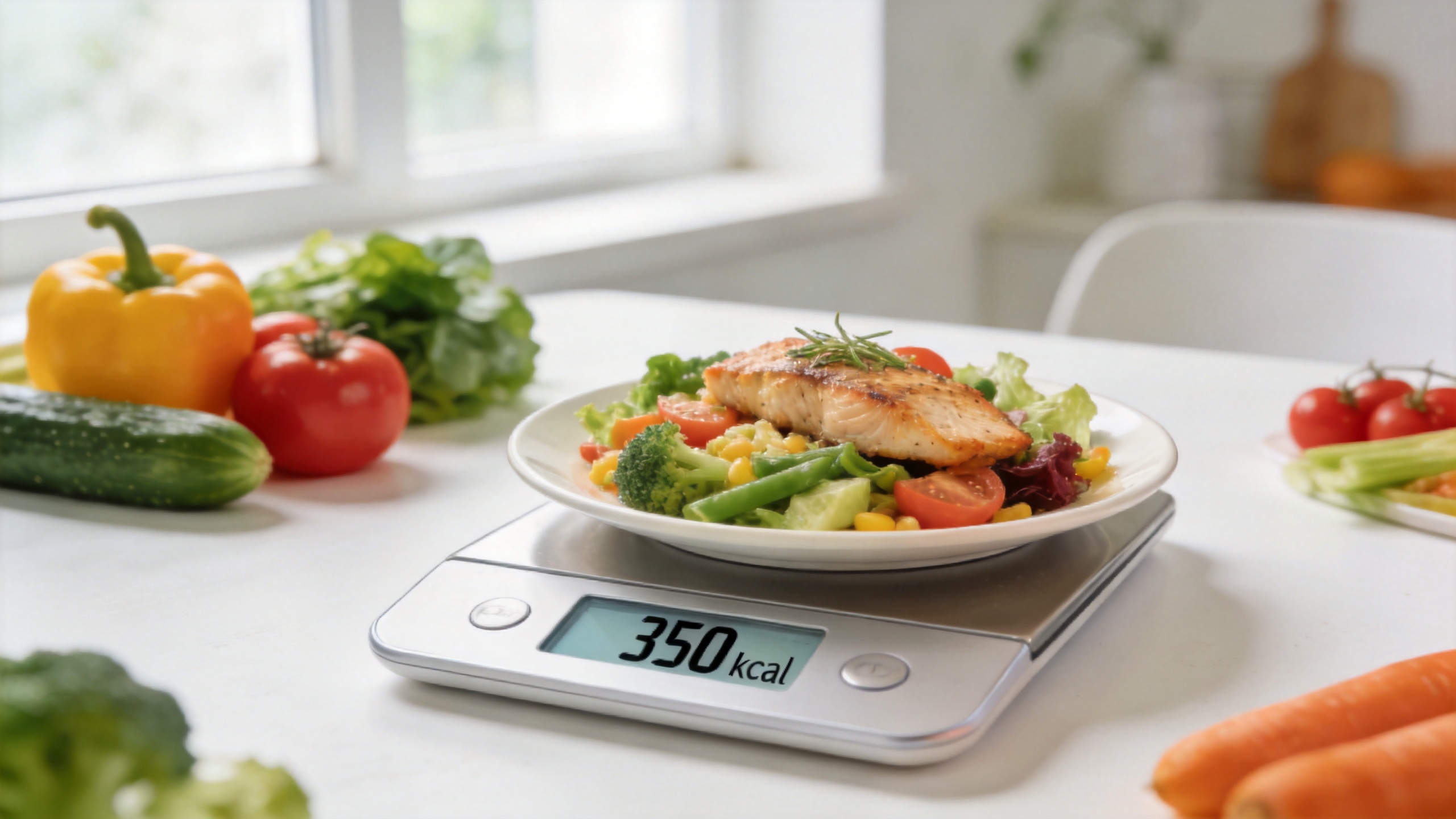
If you have ever wondered why some people lose weight eating satisfying meals while others crash diet and regain everything, the answer usually comes down to one concept: the calorie deficit. It is the single mechanism behind every legitimate weight loss approach, from low carb plans to intermittent fasting. Once you understand it, you can stop chasing fads and start making simple decisions that actually move the scale.
The good news is that a calorie deficit is not about starvation, tiny portions, or giving up every food you love. It is a math problem with a lot of flexible solutions. In this guide, you will learn exactly what a calorie deficit is, how big yours should be, and how to build one you can live with for months, not days.
A Calorie Deficit, Defined
A calorie is simply a unit of energy. Your body spends energy all day long: roughly 60 to 70 percent goes to your basal metabolic rate, the energy that keeps your heart beating, your lungs breathing, and your brain running. Another 10 percent or so is burned digesting food, and the remainder covers movement, from formal workouts to walking to the mailbox and fidgeting at your desk.
A calorie deficit means you take in less energy from food and drink than your body spends over the same period. When that happens, your body makes up the difference by drawing on stored energy, primarily body fat. Do that consistently and you lose weight. There is no way around this mechanism, and no special food combination turns it off.
How Big Should Your Deficit Be?
Why 500 Calories a Day Is Just a Starting Point
You may have heard that cutting exactly 500 calories per day produces one pound of weekly loss. That figure is a useful starting point, not a law of physics. A moderate deficit of 300 to 500 calories per day works well for most people because it is large enough to see progress on the scale within two or three weeks, but small enough that hunger stays manageable and muscle loss stays minimal.
A more aggressive deficit of 750 to 1,000 calories per day can speed things up, but research consistently shows it is harder to sustain, and the faster you lose, the more likely you are to lose muscle alongside fat and regain the weight later. If you are new to tracking, start moderate. You can always trim more once the habits feel automatic.
As a rough daily target by starting weight:
- •Under 150 pounds: aim for a 300 to 400 calorie deficit.
- •150 to 200 pounds: aim for a 400 to 600 calorie deficit.
- •Over 200 pounds: a 500 to 750 calorie deficit is usually still comfortable.
- •If you feel drained, foggy, or constantly hungry, that is your cue to ease off by 100 to 200 calories.
How to Create a Deficit Without Feeling Starving
There are two levers: eat fewer calories and burn more through activity. The most sustainable approach combines a modest food reduction with more daily movement, rather than relying on either alone. Cutting every calorie from your diet usually backfires, and exercising for hours to outrun a large intake is nearly impossible to maintain. A 250 calorie trim plus a 250 calorie burn is far easier than a 500 calorie cut.
On the food side, prioritize protein and fiber. Protein at 25 to 40 grams per meal protects muscle and blunts hunger, and fiber from vegetables, fruit, beans, and whole grains slows digestion so you feel full on less. Recipes like our High Protein Low Calorie Meals are built exactly for this: big portions, strong flavor, and calorie counts that leave room in your day. If you would rather not design meals yourself, our 1,500 Calorie Meal Plan does the math for you across a full week.
Common Mistakes That Shrink Your Results
A deficit only works if it is actually a deficit, and small leaks add up fast:
- •Drinking your calories: a 20 ounce sweetened coffee drink or soda can erase 250 to 350 calories of progress before lunch, without making you any less hungry at mealtime.
- •Eyeballing portions: measured servings of calorie dense foods like oil, nut butter, and cheese often run 40 to 60 percent larger than people guess. An inexpensive food scale removes the guesswork entirely.
- •Eating back workout burns: fitness trackers routinely overestimate exercise calories by a wide margin. Treat the burn as a bonus, not a license to add snacks.
- •Weekend loosening: five disciplined weekdays followed by a wide-open weekend can net out to zero progress. Aim for consistency across all seven days, with planned flexibility instead of unplanned binges.
How to Track Your Progress
The Scale Lies Day to Day
Body weight swings two to five pounds day to day based on sodium intake, carbohydrate intake, hydration, and for women, menstrual cycle timing. That is water and digestive content, not fat. Weigh yourself under consistent conditions, first thing in the morning after using the bathroom, and compare weekly averages instead of daily numbers.
Judge progress on a four week window: if your weekly average weight is trending down 0.5 to 1 percent of your body weight per week, your deficit is calibrated well. If two or three weeks pass with no downward trend, tighten portions by about 150 calories per day or add a 20 minute daily walk. Small corrections beat dramatic overhauls every time, and our 7 Day Diet Plan for Weight Loss is a practical template for exactly this kind of steady pace.
A Quick Word on Safety
Moderate weight loss is generally safe for most healthy adults, but check with your doctor before starting, especially if you have a medical condition, take prescription medication, are pregnant or breastfeeding, or have a history of disordered eating. Very low calorie intakes below 1,200 calories per day for women or 1,500 for men should only happen under medical supervision. Losing much more than two pounds per week after the first couple of weeks is another signal to check in with a professional.
A calorie deficit is the engine of weight loss, but the fuel is patience. Pick a modest deficit, anchor it with high protein meals and consistent movement, track weekly averages instead of daily noise, and give the process eight to twelve weeks before judging it. Slow progress that compounds beats fast results that collapse. Now you have the map; the rest is just showing up.