September 22, 2026 · 5 min read
Mediterranean Diet 101: Foods, Benefits, and How to Start
By The Calorie Plans Team — evidence-based nutrition writers
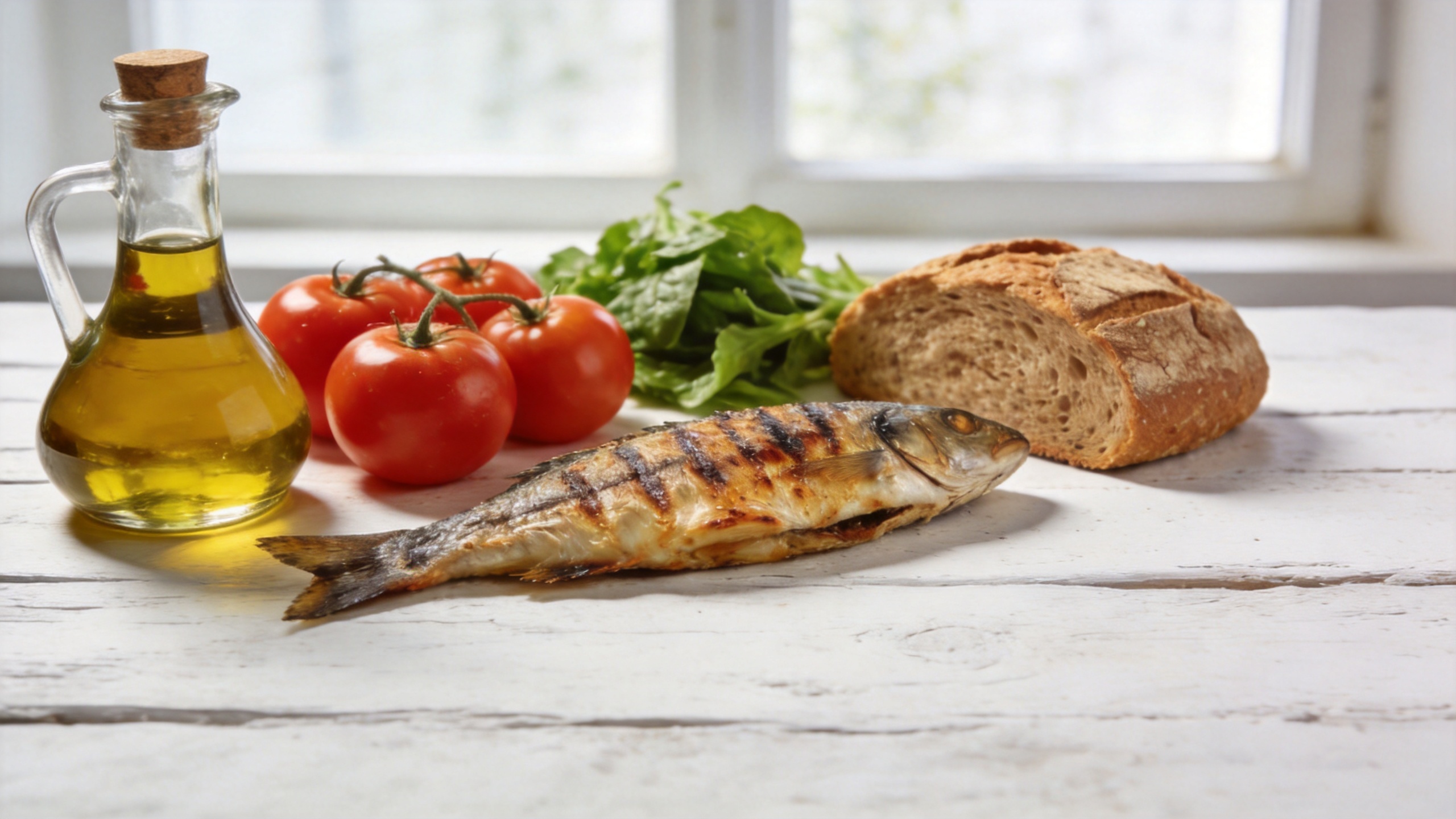
The Mediterranean diet is less a diet than a pattern of eating built around vegetables, olive oil, fish, beans, and whole grains, the way people have traditionally eaten in Greece, southern Italy, and Spain. It consistently ranks at the top of expert evaluations for overall health and ease of following, and unlike most eating patterns, people actually stay on it for years. Here is everything a beginner needs to get started this week.
This guide covers the foods to center, the ones to shrink, why the pattern supports both heart health and weight loss, and a concrete plan for your first seven days, including where our 7 Day Mediterranean Diet Meal Plan fits in.
What the Mediterranean Diet Actually Is
Despite the name, there is no single official Mediterranean diet with rules and a membership card. It is a traditional eating pattern characterized by vegetables and fruit at most meals, olive oil as the primary fat, fish and seafood at least twice weekly, beans and legumes several times per week, whole grains as the default starch, nuts and seeds daily in modest amounts, moderate dairy such as yogurt and cheese, eggs and poultry weekly, and red meat as an occasional guest rather than a daily anchor. Sweets belong to celebrations, not to Tuesdays.
Notice what is missing: no food group is banned, no macronutrient is feared, and nothing is weighed to the gram. That flexibility is not a weakness of the pattern; it is the reason people still follow it a decade after trying every stricter alternative.
Foods to Eat Most Often
Build your grocery cart around these categories, roughly in order of priority:
- •Vegetables: aim for three or more servings daily, a mix of cooked and raw. Tomatoes, leafy greens, zucchini, peppers, eggplant, and onions form the base of most traditional dishes.
- •Olive oil: your main added fat, roughly two to four tablespoons daily for cooking and dressing. It replaces butter and processed snacks; it does not stack on top of them.
- •Fish and seafood: at least two servings per week. Fatty fish like salmon and sardines bring omega 3 fats, and canned fish absolutely counts while keeping the budget sane.
- •Legumes: beans, lentils, and chickpeas three or more times weekly. They deliver fiber and plant protein that keep meals filling at a very low calorie cost.
- •Whole grains: oats, barley, farro, bulgur, brown rice, and real whole grain bread as the everyday starch.
- •Nuts and seeds: a small daily handful of about one ounce, or 28 grams. Almonds, walnuts, pistachios, and sunflower seeds all fit.
- •Fruit: the default dessert, one to three servings daily. Fresh figs, oranges, berries, and melon are all traditional picks.
- •Dairy in moderation: plain yogurt and small amounts of cheese, often feta or goat cheese, most days of the week.
Foods to Eat Less Often
Nothing is forbidden, but frequency shrinks dramatically. Red meat moves to a few times per month in modest portions. Butter and cream give way to olive oil at the stove. Added sugars, from pastries to sweetened drinks, drop to occasional rather than daily, and processed meats like salami and bacon become rare guests. Refined grains and packaged snacks shrink to bit players. This is a change in frequency, not a ban, which is exactly why the pattern holds up in real life.
Why It Works for Health and Weight Loss
The Mediterranean pattern is one of the most studied eating styles in nutrition research, and the evidence consistently links it with better cardiovascular outcomes, improved cholesterol markers, and healthier body weight over time. For weight loss specifically, it works because it is built on foods with high satiety per calorie: vegetables, legumes, fish, and whole grains fill you up, while olive oil and nuts supply fats that make meals satisfying instead of punitive.
There is no counting requirement, though calories still decide weight. Most people naturally settle into a moderate deficit because the pattern crowds out the calorie dense, low satiety foods that caused the gain. If you want structure anyway, pairing Mediterranean meals with a target like our 1,500 Calorie Meal Plan gives you both the pattern and the math.
How to Start: Your First Week
Do not rebuild your entire diet on Monday. Layer in these changes across one week:
- 1Swap your cooking fat: replace butter and seed oils with extra virgin olive oil. This single change touches every meal you cook at home.
- 2Plan two fish dinners and one bean based meal this week. A lentil soup and a sheet pan salmon with vegetables cover two of the three immediately.
- 3Make one vegetable dish automatic: a big salad or a tray of roasted vegetables every day, dressed with olive oil and lemon.
- 4Replace dessert with fruit, adding a small piece of cheese or a square of dark chocolate if the transition feels rough at first.
- 5Rebuild breakfast around yogurt, eggs, or oats with fruit and nuts, then keep it identical every weekday. Routine is very Mediterranean.
- 6If you want the whole week mapped out meal by meal, follow our 7 Day Mediterranean Diet Meal Plan instead; every recipe and portion is already set for you.
Easy Meals to Put in Rotation
Mediterranean cooking rewards simplicity: grilled or baked fish with lemon and olive oil over a vegetable and grain base; chickpea salads with cucumber, tomato, feta, and oregano; lentil soups; whole grain pasta with tomato, garlic, and a pile of vegetables; omelets loaded with greens. Lean poultry fits comfortably too, and recipes like our Grilled Chicken Salad slot into the pattern with almost no modification. When you want higher protein options inside the same calorie budget, our High Protein Low Calorie Meals collection includes many dishes that work straight into a Mediterranean week.
You do not need to be perfect, buy imported anything, or give up bread. Eat vegetables and beans like you mean it, cook with olive oil, put fish on the calendar twice a week, and let red meat and sweets drift over to the occasional column. That is the whole diet, and it is one you can genuinely keep for decades.